
DRC Central Bank to Make Gold a Pillar of National Reserves from 2026
DR Congo Plans to Boost Gold Reserves in 2026 to Strengthen Financial Stability and Sovereignty
As the Democratic Republic of Congo continues to grapple with persistent security challenges in its eastern regions, the Central Bank of Congo (BCC) has outlined a strategic shift aimed at strengthening the country’s financial resilience.
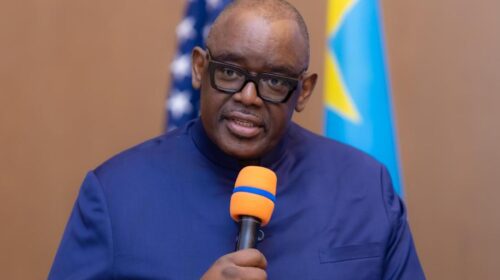
Beginning in 2026, gold will become a central pillar of the nation’s reserve diversification strategy, according to BCC Governor André Wameso.
Speaking on Thursday, January 8, 2026, Governor Wameso said the accumulation of monetary gold is now a key priority for the central bank, reflecting a broader global trend among monetary authorities to reinforce reserves with safe-haven assets.
“Building up monetary gold reserves is now one of the major pillars of the Central Bank of Congo’s strategy,” Wameso said. “This approach is intended to reduce dependence on foreign currencies and strengthen our resilience to external shocks. We are fully committed to implementing this policy in 2026.”
For the DRC, one of Africa’s leading gold producers, the strategy carries both economic and structural significance. By drawing on domestic production, including gold from artisanal mining, the BCC aims to leverage local resources while reinforcing national monetary sovereignty.
Beyond its financial role, gold is also being positioned as a governance tool. Integrating artisanal gold into official reserves is expected to improve traceability in a sector often associated with illicit trade and conflict financing, particularly in eastern Congo. Authorities believe this approach can help formalise supply chains, reduce illegal flows and limit informal mining activities that contribute to insecurity.
The central bank’s strategy links monetary policy with broader peace and stability objectives, reflecting a view that economic regulation can play a role in addressing structural drivers of conflict.
By strengthening gold reserves, the BCC seeks to enhance reserve solidity, improve transparency in the mining sector and support long-term macroeconomic stability.
Governor Wameso expressed cautious optimism regarding the impact of ongoing conflict on public finances and economic growth.
He noted that areas affected by insecurity currently account for approximately 6% of national GDP, a significant share but one that has not undermined overall economic performance.
“If we are able to recover this 6%, we could record an even stronger year in 2026,” he said, pushing back against overly pessimistic economic forecasts.
His confidence is underpinned by growing international diplomatic engagement in the Congolese crisis and a firm belief that lasting peace remains essential to the country’s economic survival and development.